
Uncredited
Many things seem obvious to us as long as we don't question them.
But what we see depends on what we have learned to pay attention to.
Uncredited is an invitation to shift this perspective.
Discover what
guides your gaze
Click, discover, and immerse yourself. Where your decisions take you is entirely up to you—there is no right or wrong.
Who laid the foundation for compilers and programming languages?
Click the person in the image
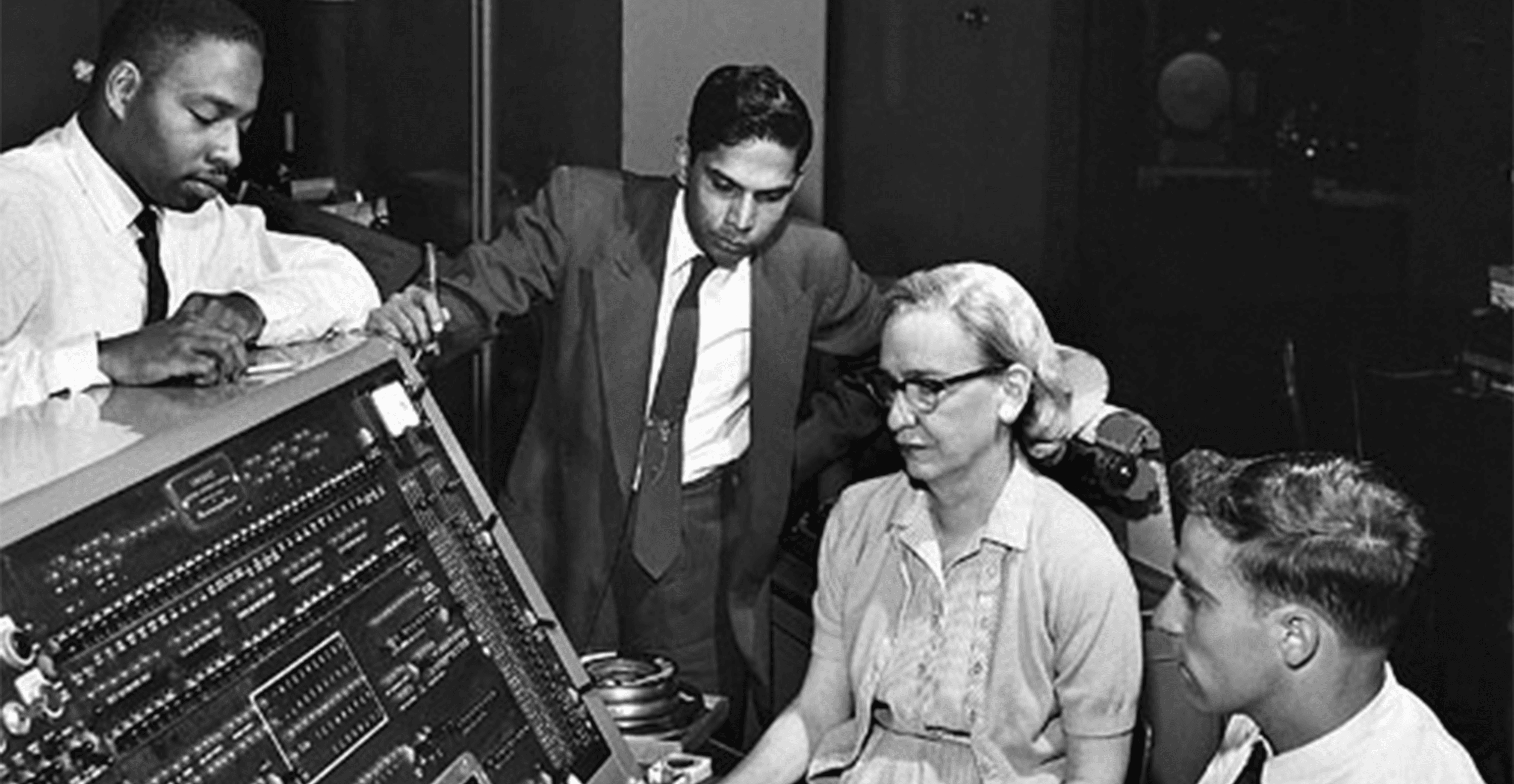
Warum hast du diese Person ausgewählt?
Who discovered the elements polonium and radium in the picture?
Click the person in the image
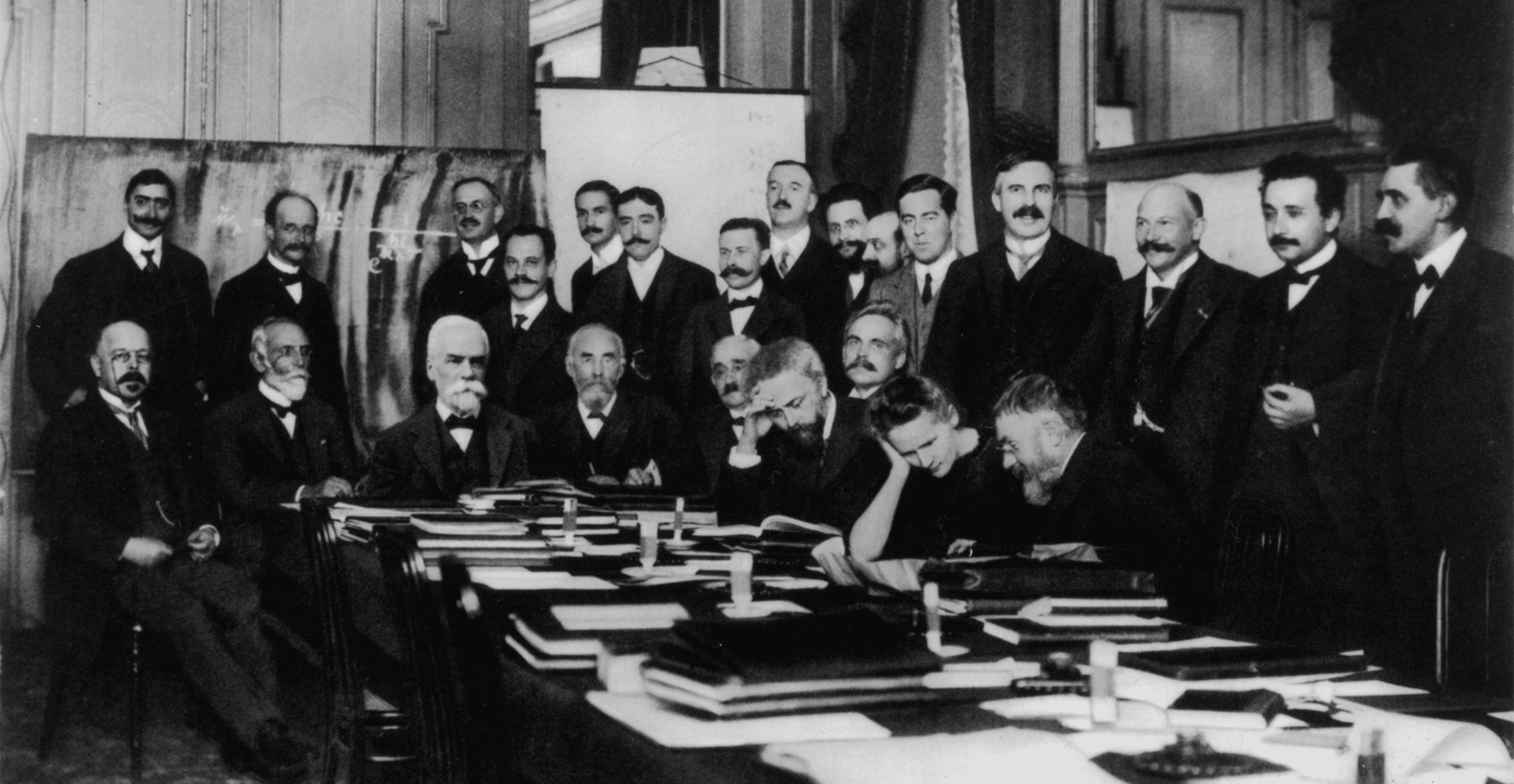
Warum hast du diese Person ausgewählt?
Who developed Schrödinger's theory?
Click the person in the image
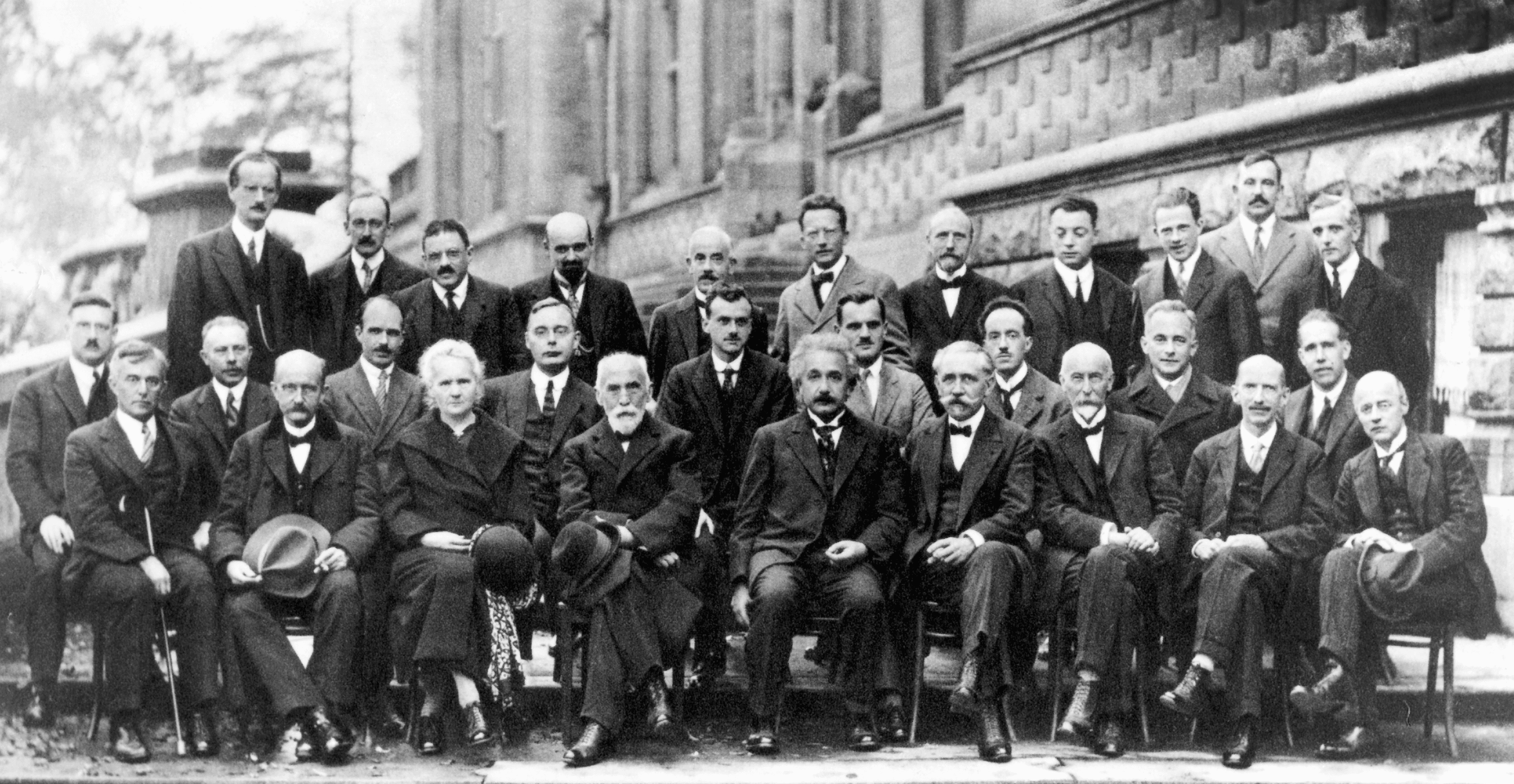
Warum hast du diese Person ausgewählt?
Who laid the foundation for today's Bluetooth technology?
Click the person in the image
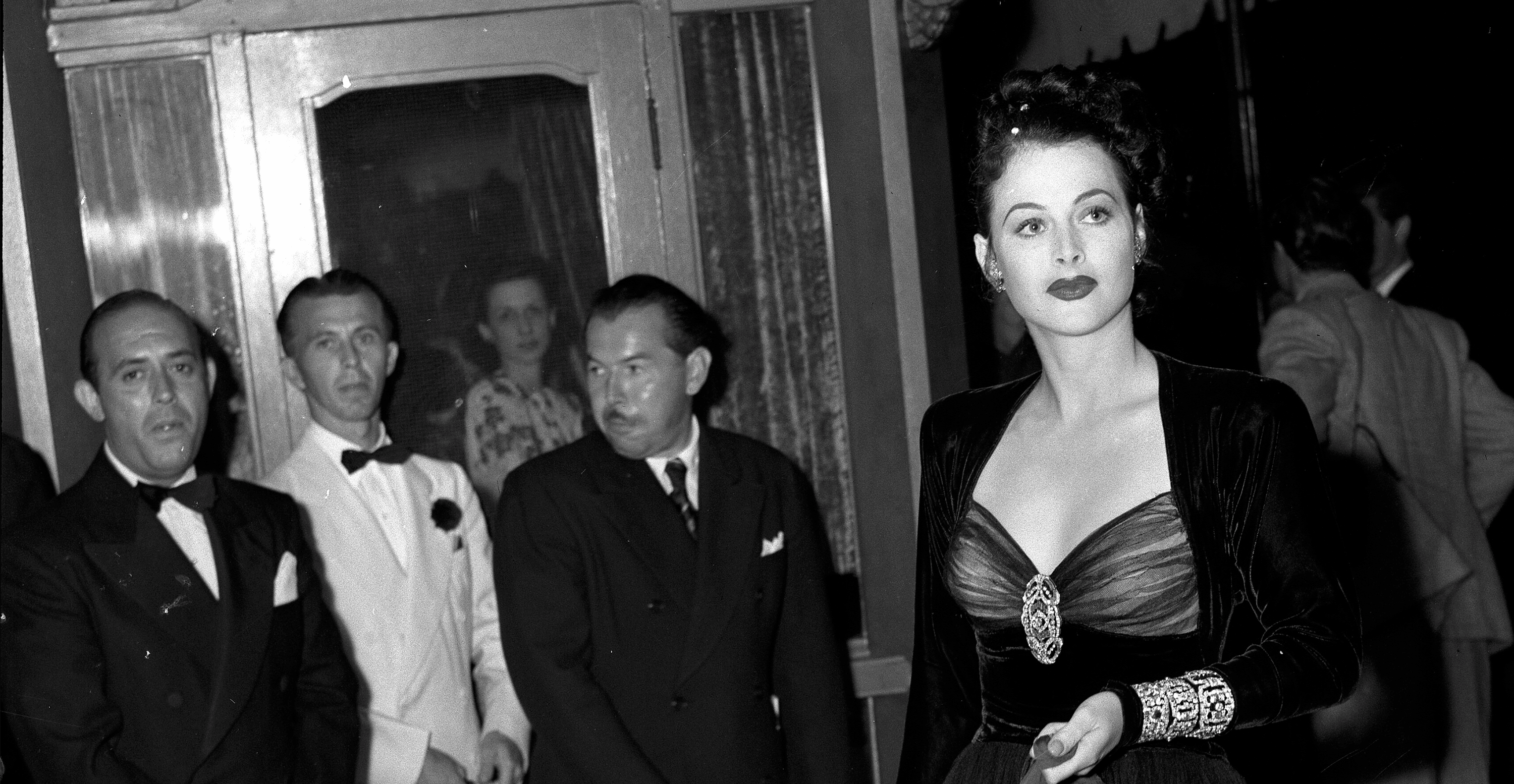
Warum hast du diese Person ausgewählt?
Who in the picture provided the key to the discovery of nuclear fission?
Click the person in the image
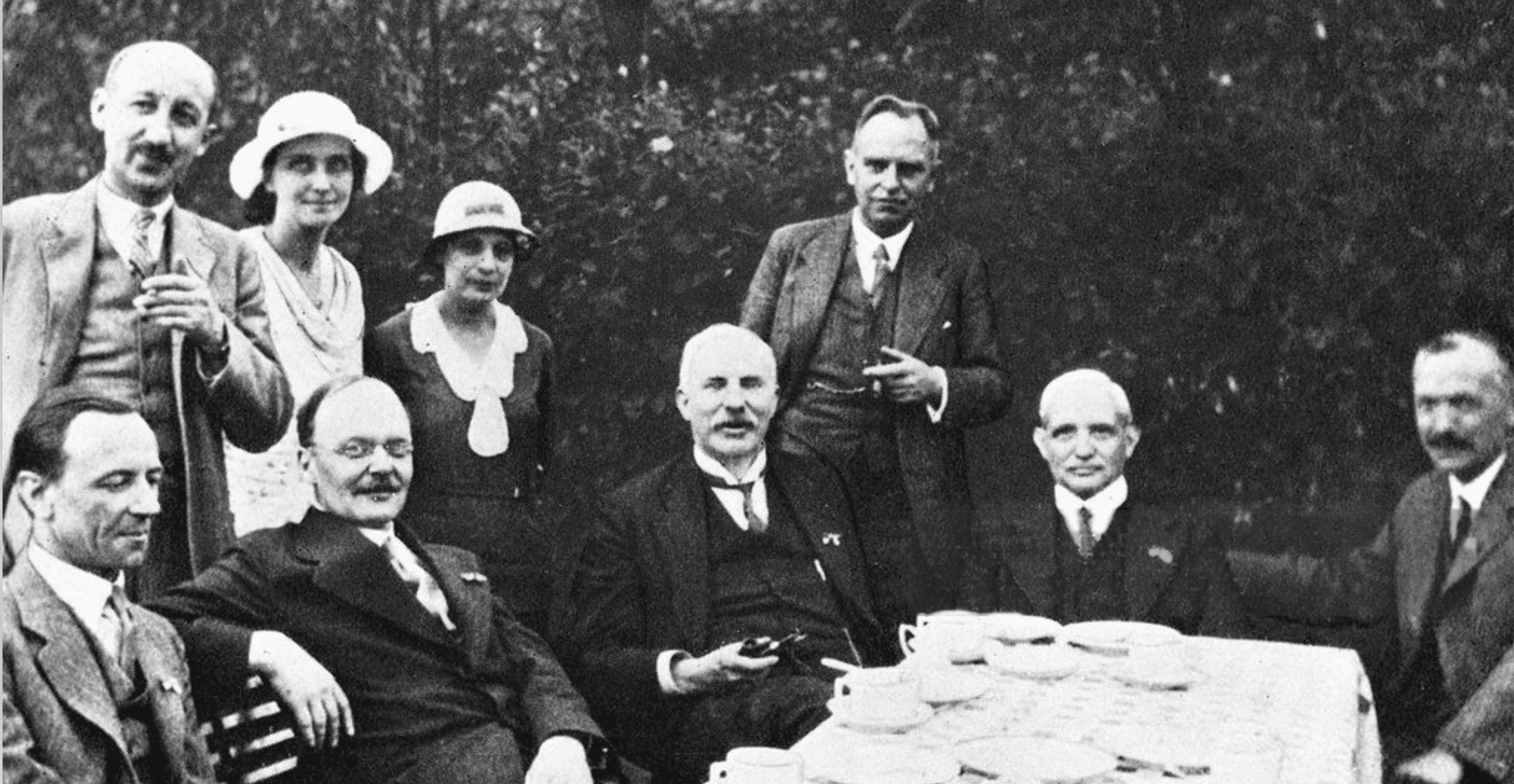
Warum hast du diese Person ausgewählt?
Solution
Click on one of these images, discover and compare your selection with other impulses
Grace Hopper
Marie Curie
Erwin Schrödinger
Hedy Lamarr
Lise Meitner
What does all this mean now?
You just had the opportunity to select people based on competence, likeability, intuition—or you actually knew who the right person was. We make decisions like this all the time. In doing so, we rely on first impressions, experiences, and familiar images.
Men are often more visible in historical representations. When we consider who might have made an important discovery, we unconsciously orient ourselves toward this internalized image—especially in fields such as science or technology, which still appear to be male-dominated today. These inner perceptions influence who we consider suitable or credible—whether based on competence, sympathy, or intuition. This is human nature. But it is not completely neutral.
This creates an inner bias: we often attribute achievements to men, even when women have made the contribution – and this pattern continues to this day. Do you doubt it? Below, you can delve deeper and discover how such patterns shape our thinking.
Es ist alles belegbar mit Fakten!
Aufklärender Text der dich erleuchten soll und aber auch neugierig auf mehr.
Kontextualisierung warum wir uns Rollenbildern bedienen, das normal ist und kein Persönlichkeitsdefizit aber es schädigt uns allen wenn wir zu “extrem” oder so uns an diesen festklammern.
Und dann unten auf typische Resistances eingehen wo jeder mit seinem Weltbild konfrontiert wird. Dynamisch, je nach Auswertung angepasster Text ob wir mehr nach kompetenz werten oder

Klicke ein Porträt an und entdecke mehr
Hier kannst du frei stöbern und die Geschichten von Frauen entdecken, deren Ideen und Leistungen oft anderen zugeschrieben wurden – die echten „Uncredited“. Jede Karte öffnet ein kleines Fenster in die Vergangenheit – überraschend, inspirierend und voller Entdeckungen.
About Uncredited
Uncredited is a project that aims to spark curiosity: about people's stories, ideas, and achievements that often go unnoticed—and about how we ourselves are part of patterns and systems.
Created as a creative student project, the website invites visitors to interactively discover, question, and experience new perspectives. Accompanying the website is a book that presents the stories in a literary-journalistic style and explores the topics covered on the website in greater depth.
Want to find out more? Discover the book in digital form via this link.
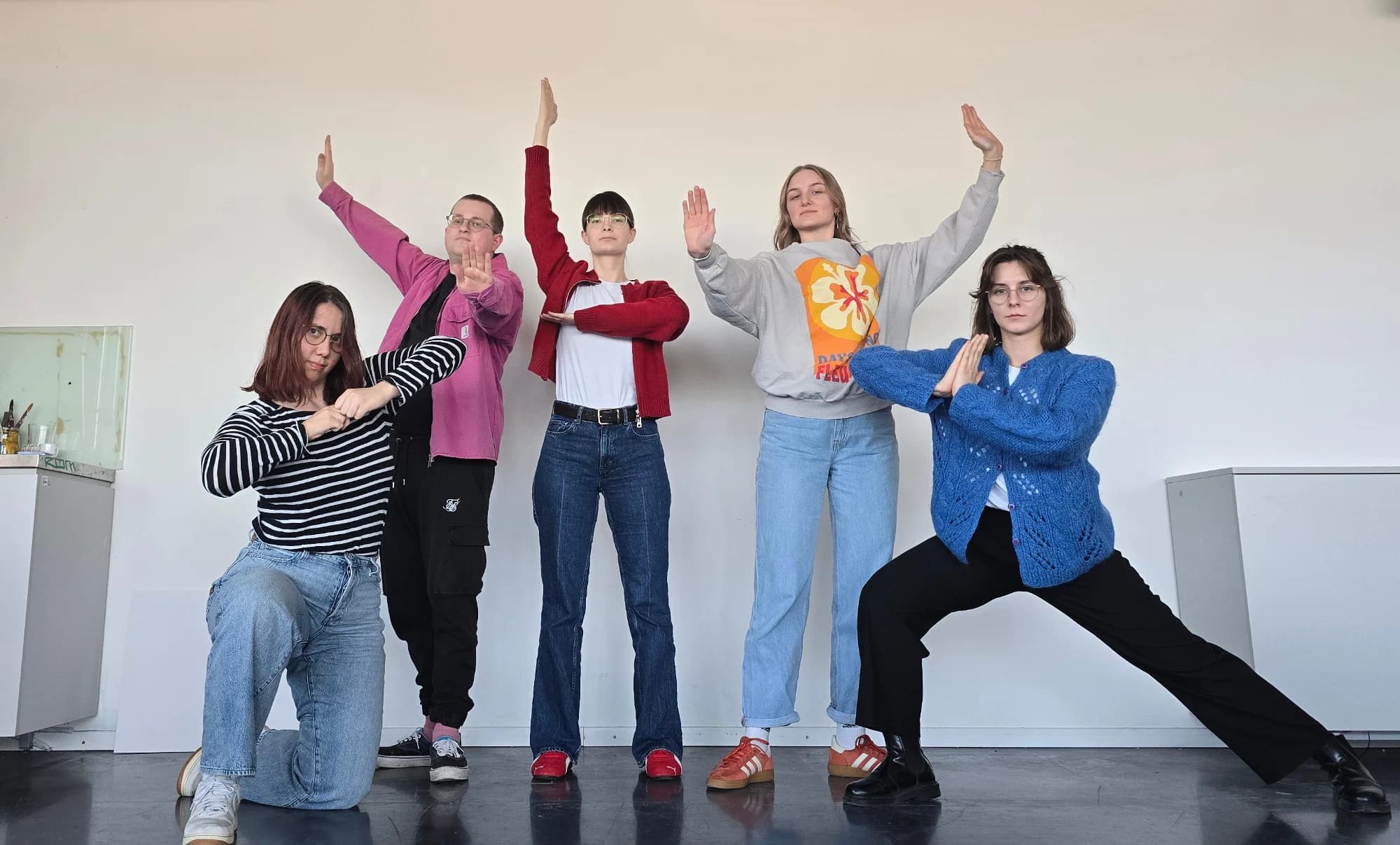
The authors